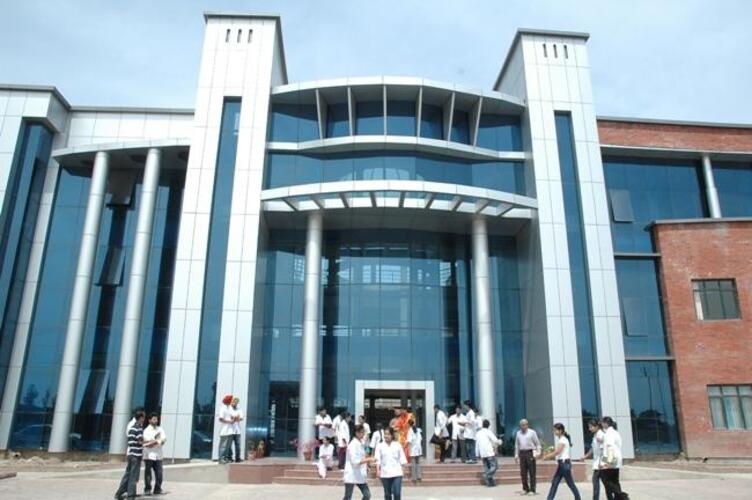
Zero Tolerance Towards Ragging at Swift Group of Colleges, Rajpura
Swift Group of Colleges, Rajpura, adheres to a zero-tolerance policy regarding ragging, in strict compliance with the UGC Regulation on Curbing the Menace of Ragging in Higher Education Institutions, 2009. The institution has proactively implemented measures to prevent and address ragging within its premises.
As per the directives outlined in Regulation no. 6.3 (a) and 6.3 (c) of the aforementioned UGC Regulations, Swift Group of Colleges has established a dedicated Anti-Ragging Committee and an Anti-Ragging Squad. These bodies are tasked with the responsibility of overseeing and enforcing the institution's anti-ragging policy.
Ragging is unequivocally prohibited within the college premises. Swift Group of Colleges has undertaken all necessary precautions to ensure a safe and respectful environment for all students. Any student found culpable in acts of ragging will face stringent disciplinary action, in accordance with institutional policies and relevant legal frameworks.
Mandates of the Anti-Ragging Framework
The following directives outline the responsibilities and functions designed to effectively combat ragging within the institution, aligning with the pronouncements of the Hon'ble Supreme Court:
Vigilance and Compliance: Maintain unwavering vigilance against any activities constituting ragging and ensure strict adherence to all relevant legal and institutional guidelines.
Dissemination of Directives: Proactively inform all students about the institutional policies, legal ramifications, and disciplinary actions applicable to individuals engaging in ragging
Grievance Redressal and Investigation: Receive and meticulously investigate all complaints pertaining to ragging. Subsequently, prepare and submit comprehensive reports to the Anti-Ragging Committee, including recommendations for appropriate punitive measures against offenders.
Undertaking Procurement: Oversee the systematic process of collecting anti-ragging undertakings from students, ensuring full compliance with stipulated provisions.
Awareness and Orientation Programs: Organize and conduct workshops focused on raising awareness about the menace of ragging, thereby sensitizing and orienting students towards a ragging-free campus environment.
Accessibility to Support: Provide students with readily accessible contact information, including addresses and telephone numbers, of designated personnel responsible for receiving complaints and distress calls related to ragging.
Counselling and Awareness Initiatives: Offer comprehensive counselling services and implement initiatives aimed at fostering a culture of empathy, respect, and mutual understanding among students, thereby preventing incidents of ragging.
Prohibited Conduct and Anti-Ragging Measures
The institution is committed to implementing all essential measures to prevent ragging within its campus and hostel facilities. To ensure a safe and conducive environment, the following behaviors are strictly prohibited within college premises:
Indiscipline and Harassment:Any act characterized by indiscipline, teasing, or rude conduct towards others.
Academic Disruption: Any action that impedes or disrupts regular academic activities.
Psychological Harm: Any activity likely to cause annoyance, hardship, psychological harm, or create fear or apprehension among individuals.
Financial Exploitation: Any act involving financial extortion or coercion into unjustified expenditure.
Physical Harm: Any act of physical abuse resulting in assault, harm, or danger to health.
Verbal and Digital Abuse: Any form of abuse through spoken words, emails, SMS, or public insult.
Infringement of Dignity: Any act causing injury to or infringement of an individual's fundamental right to human dignity.
Criminal Offenses: Any act involving wrongful confinement, kidnapping, molestation, committing unnatural offenses, use of criminal force, trespass, or intimidation.
Conspiracy to Rag: Any unlawful assembly or conspiracy formed with the intent to engage in ragging.
Defining Ragging: As per UGC Regulations, 2009
As per the UGC Regulations on Curbing the Menace of Ragging in Higher Education Institutions, 2009, ragging encompasses one or more of the following acts:
Verbal or Behavioral Harassment: Any conduct, whether verbal (spoken or written) or behavioral, by a student or group of students, that results in teasing, treating, or handling a fresher or any other student with rudeness.
Disruptive and Harmful Conduct:Engagement in rowdy or indisciplined activities by a student or students that causes or is likely to cause annoyance, hardship, physical or psychological harm, or instill fear or apprehension in any fresher or other student.
Forced Undignified Acts: Compelling any student to perform actions they would not ordinarily undertake, which subsequently cause shame, torment, or embarrassment, thereby adversely affecting the physical or psychological well-being of the fresher or other student.
Academic Disruption:Any act by a senior student that impedes, disrupts, or disturbs the regular academic activities of any other student or fresher.
Exploitation of Services: Exploiting the services of a fresher or any other student for the completion of academic tasks assigned to an individual or a group of students.
Financial Extortion:Any act involving financial extortion or imposing forceful expenditure burdens on a fresher or any other student.
Physical Abuse: Any form of physical abuse, including but not limited to sexual abuse, homosexual assaults, stripping, forcing obscene and lewd acts or gestures, causing bodily harm, or posing any other danger to health or person.
Verbal and Digital Abuse: Any act of abuse perpetrated through spoken words, emails, postal communication, or public insults, which may also include deriving perverse pleasure, vicarious or sadistic thrill from actively or passively contributing to the discomfort of a fresher or any other student.
Psychological and Mental Harm: Any act that negatively impacts the mental health and self-confidence of a fresher or any other student, irrespective of the intent to derive sadistic pleasure or demonstrate power, authority, or superiority.
Penalties for Engaging in Ragging
Students or groups found responsible for ragging, whether on or off campus, will face one or more of the following disciplinary actions:
Admission Cancellation: Immediate cancellation of their admission to the institution.
Class Suspension: Suspension from the institution for a specified period.
Forfeiture of Benefits: Revocation or suspension of scholarships, fellowships, and other institutional benefits.
Legal Action: Filing of criminal charges against the offenders, if applicable.
Examination Debarment: Exclusion from participating in tests, examinations, or other evaluative processes.
Result Withholding:Retention of academic results.
Representational Ban:Prohibition from representing the institution in regional, national, or international events, tournaments, or festivals.
Hostel Suspension/Expulsion: Temporary or permanent removal from institutional housing.
Rustication:Suspension from the institution for a duration of one to four semesters.
Expulsion: Permanent dismissal from the institution, leading to ineligibility for admission to any other educational institution.
Collective Punishment:In instances where individuals responsible for committing or abetting ragging cannot be identified, the institution reserves the right to implement collective punishment. This measure serves as a deterrent, leveraging community pressure to discourage potential acts of ragging.
Reporting Mechanisms for Ragging Incidents
Information regarding ragging incidents can be submitted through the following channels:
Official Committee Contacts and National Helpline: Utilize the publicly accessible contact details of the Anti-Ragging Committee members or the national anti-ragging toll-free helpline at 1800-180-5522. This ensures adherence to the relief provisions outlined in the UGC Regulations.
Institute Personnel:Any member of the institution's faculty or staff can receive and forward information related to ragging.
External Sources:Information originating from sources outside the institution will also be considered.
Admission Enquiry
Fill the form below and our team will contact you shortly